To quickly find out if your (potential) customers need explosion proof devices for ATEX Zone 1/21 or 2/22, we have alphabetized the industries where explosion hazards are a risk below. Explosion hazards can occur in a variety of industries. The list of industries below is not comprehensive. Explosion hazards can also occur at individual workplaces in non-specific industries. Examples include explosion hazards at:
Explosive landfill or composting gases can be generated at landfills and during composting. In order that these cannot escape unchecked and possibly ignite, extensive technical measures are necessary.
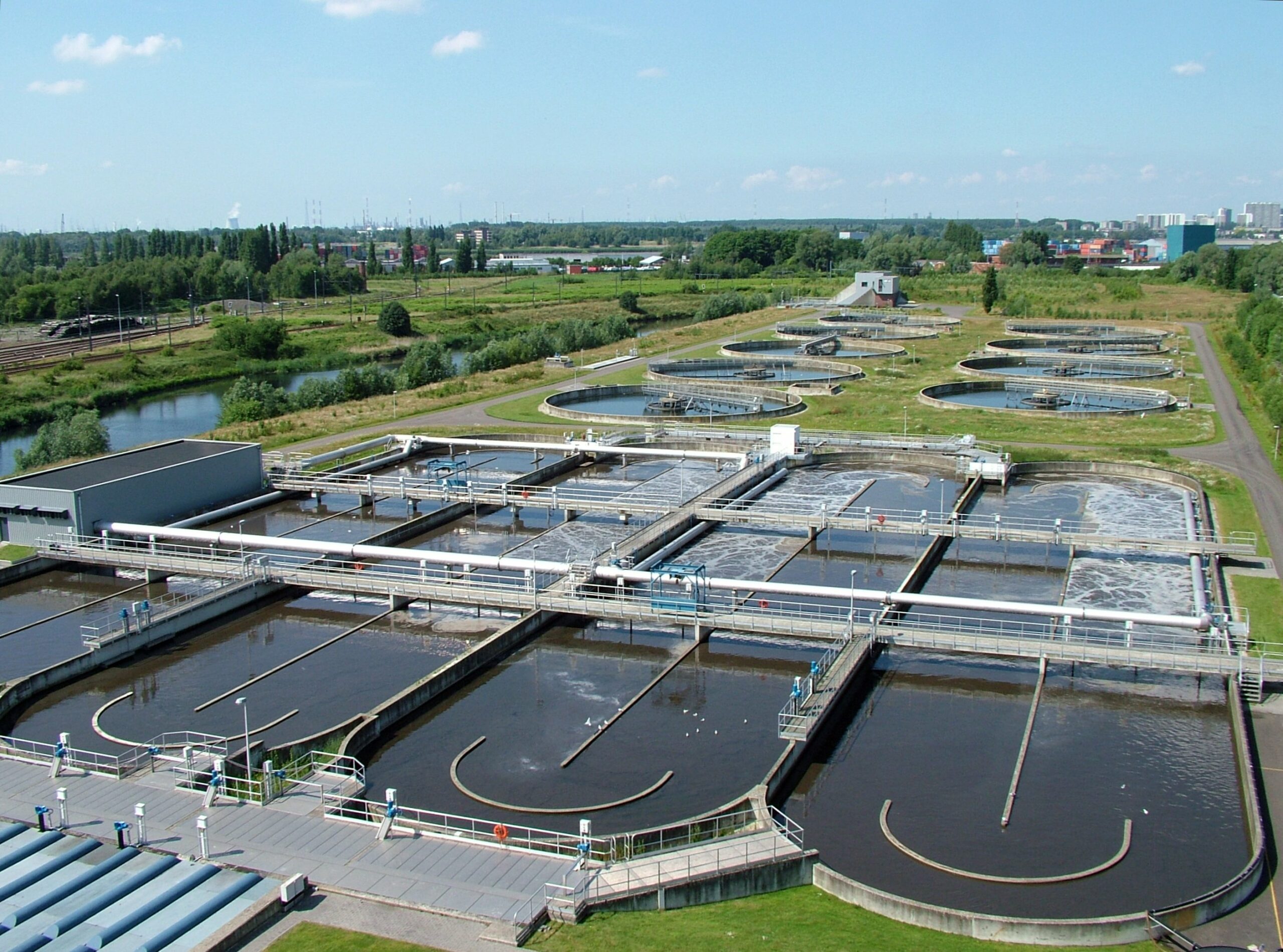
During wastewater treatment in wastewater treatment plants, combustible gases (mainly CH4) are produced as a result of digestion.
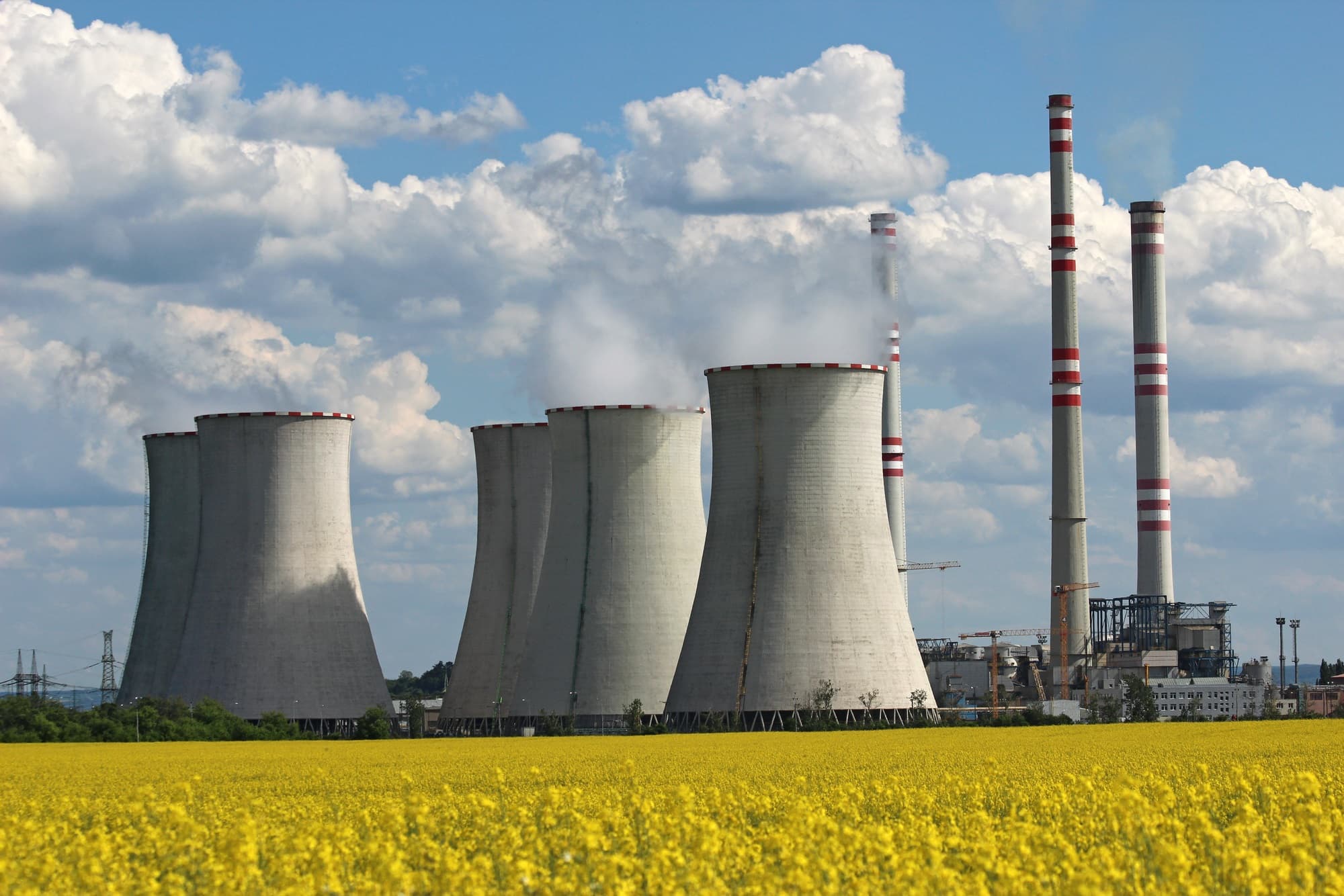
In the chemical industry, flammable gases, liquids and solids are converted and processed in various processes. During these processes, explosive mixtures can be created.
From lump coal that is not explosive in combination with air, coal dust can be generated by transportation, grinding and drying that can form explosive dust/air mixtures.
In pharmaceutical production, alcohol is often used as a solvent. In addition, additives and excipients, for example lactose, may be used that can cause a dust explosion.
The printing process is traditionally carried out using hexane or toluene, making explosion hazards a direct consequence of the process. Also, dust explosion hazards can occur from dust released during paper cutting.
The machining of wooden workpieces releases wood dust that can form explosive dust/air mixtures, for example, in filters or silos.
Biogas extraction plants are operated in some farms. When biogas escapes, for example due to leaks, explosive biogas/air mixtures can be created.
This industry often works with flammable solids. During pneumatic transport, for example, an explosive mixture is then created in the system or when storing solids in a tank storage.
The overspray created when spraying surfaces with spray guns in spray booths, like the vapors released from solvents, can form an explosive atmosphere with air.
Explosion hazards can occur during ship storage and transshipment, transport by tankers, and during loading and unloading.
When casting products are made of metal, explosive metal dust can be generated during surface treatment (grinding). This is especially the case with light metals. This metal dust can create an explosion hazard in collectors.
Explosion hazards may occur when extracting oil and gas through deep drilling and during the period of oil and gas production. Explosive gas/air mixtures can also be formed when natural gas is released through leaks and the like.
The hydrocarbons used in refineries are all flammable and, depending on their flash point, can create an explosive atmosphere even at ambient temperature. The area surrounding petroleum processing plants is usually considered an explosion hazard.
For example, when recycling waste, explosion hazards can arise from cans and other containers containing flammable gases and/or liquids that have not been cleared of residue, or from dust from paper or plastic.
During ship conversions, explosive atmospheres can easily occur as flammable materials are left in confined spaces.
The residue at the bottom of the tank is removed with flammable solvents, among other things. The removal is done under high pressure by using a spray head where an explosive mist may be produced.
During transport and storage of cereal grains, sugar, etc., explosive substances can be generated. If these are extracted and separated into filters, an explosive atmosphere may be created in the filter.
Explosive gases from various sources can accumulate in poorly ventilated tunnels, basements, and so on.
Some occupations have a higher risk of explosion hazards than others. For example, all personnel in the aforementioned industries are more at risk than workers in other industries. Especially if they are directly involved in the primary process within the company, think of:
Consideration should also be given to people who occasionally find themselves in places where explosion hazards may occur, such as:
Source: Explosion Safety Dossier , by Arthur Groot, Peter Coffeng, Corné Bulkmans, Helger Siegert, April 2009
We are happy to help answer your questions. Whether you are looking for technical support for your Wireless Wan solution or general information about our product range requests. Leave your message and we will get back to you soon!
Direct contact